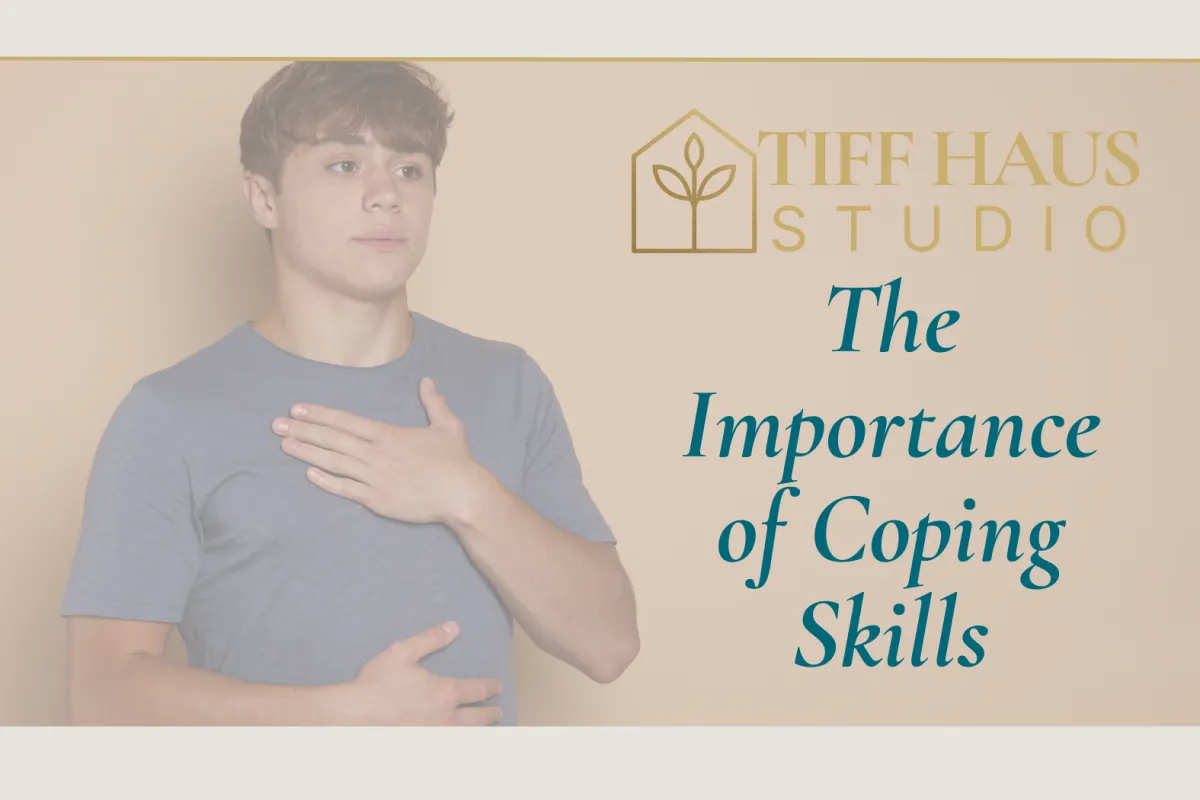
The Importance of Coping Skills for Individuals with Intellectual and Developmental Disabilities
Coping skills are essential tools for navigating everyday life. For individuals with intellectual and developmental disabilities, including autism, strong coping skills create a foundation for emotional regulation, confidence, independence, and meaningful relationships.
Life brings challenges for everyone. Stress, change, frustration, disappointment, and uncertainty are all part of the human experience. Coping skills allow individuals to respond to these challenges in healthy, productive ways rather than feeling overwhelmed or shut down.
When families and caregivers intentionally teach and support coping skills, they empower individuals to better understand their emotions, manage stress, and build resilience that supports long term independence.
What Are Coping Skills
Coping skills are strategies that help individuals manage strong emotions, stressful situations, and difficult experiences. These skills help regulate emotions, calm the nervous system, and restore a sense of control.
Examples of coping skills include deep breathing, taking movement breaks, using calming sensory tools, practicing positive self talk, asking for help, taking quiet time, and engaging in enjoyable activities.
Coping skills look different for every individual. What works for one person may not work for another. The goal is to help each individual discover strategies that feel supportive, comforting, and empowering.
Why Coping Skills Matter So Much
Strong coping skills support emotional regulation, problem solving, communication, and independence. Without effective coping strategies, everyday stressors can quickly become overwhelming.
For individuals with intellectual and developmental disabilities, coping skills help reduce anxiety, improve behavior, strengthen social relationships, and increase confidence.
When individuals learn how to manage emotions and stress, they gain greater control over their reactions. This builds self awareness and emotional maturity, which are critical components of independent living.
Coping Skills Support Emotional Regulation
Emotional regulation is the ability to manage emotional responses in a healthy way. Many individuals with developmental disabilities experience heightened emotional responses or difficulty identifying and expressing feelings.
Coping skills help individuals recognize emotional triggers and respond with calming strategies rather than reactive behaviors. Over time, this leads to improved emotional control and stronger self regulation.
Coping Skills Build Confidence and Self Esteem
When individuals successfully use coping strategies to manage challenges, they experience a sense of accomplishment. Each success builds confidence and reinforces the belief that they can handle difficult situations.
This growing confidence encourages independence and reduces reliance on others for emotional regulation.
Coping Skills Strengthen Social Relationships
Strong coping skills support communication, patience, flexibility, and emotional awareness. These skills are essential for healthy social interactions.
When individuals can regulate emotions and manage frustration, they experience more positive relationships with peers, family members, coworkers, and community members.
Teaching Coping Skills Through Daily Life
Coping skills are best learned through everyday experiences. Families and caregivers can support learning by modeling coping strategies, practicing skills regularly, and offering gentle guidance during emotional moments.
Start by helping individuals identify emotions and label how they feel. Then introduce simple coping tools and practice them during calm moments. Over time, individuals learn to apply these strategies independently when challenges arise.
Types of Coping Skills to Explore
Sensory Based Coping Skills
Sensory strategies help regulate the nervous system and provide calming input. These may include weighted blankets, fidget tools, movement activities, calming music, soft lighting, or textured materials.
Movement Based Coping Skills
Physical movement can help release stress and regulate emotions. Walking, stretching, dancing, yoga, swimming, and simple exercises can all serve as effective coping strategies.
Breathing and Relaxation Techniques
Deep breathing, guided relaxation, and visualization exercises help slow the heart rate and calm the mind. These techniques are especially helpful during moments of anxiety or overwhelm.
Emotional Expression and Communication
Journaling, drawing, music, talking with trusted individuals, and using visual communication tools help individuals express emotions safely and effectively.
Problem Solving Strategies
Teaching simple problem solving steps helps individuals navigate challenges with confidence. Identifying the problem, brainstorming solutions, choosing a plan, and evaluating outcomes builds independence and resilience.
Building Coping Skills for Long Term Independence
Coping skills are foundational life skills. They directly support emotional wellness, social success, and independent living.
When individuals learn to manage stress, regulate emotions, and problem solve, they gain tools that support success at home, school, work, and in the community.
By prioritizing coping skill development, families lay the groundwork for confident, capable, and emotionally healthy adults.
At Tiff Haus Studio, we believe that independence begins with emotional strength. Teaching coping skills is one of the most powerful ways to support lifelong growth, resilience, and meaningful independence. Schedule your FREE Clarity Call and let's talk all about it!